[one_half][box type=”success”]
In this unit
- When Ramadan starts
- Who can and cannot fast
- The arkan of fasting
[/box][/one_half] [one_half_last][box type=”note”]
Keywords
- Fasting
- Moon sighting
[/box][/one_half_last]
The Month of Ramadan
 [dropcap]R[/dropcap]amadan is not just a month of fasting, but a month of mercy, forgiveness, family, friendship, and hope. Muslims hope that by the end of the month, they are much better people than they were at the beginning of the month, that Allah has forgiven all their sins, and that they have become the people of Paradise.
How to Know When Ramadan Starts
[dropcap]O[/dropcap]ur religion encourages us to love nature and be close to it because in nature we find signs that make us even more convinced of Allah’s existence and greatness. One way to get close to nature is by observing the moon to determine when Ramadan starts. On the night of the 30th of Shaban, Muslims observe the sky to see if a new moon is born.
[box type=”warning”]If a Muslim man sites the new moon, the next day is Ramadan. If not, then we wait one more day. [/box] As our religion gives us guidance for everything we do, so too does it give us guidance on how to perform the worship of fasting. [divider]
Who Must Fast?
[dropcap]A[/dropcap]ll Muslims who are able to fast must fast except for anyone who finds fasting an excessive hardship such as: young children, very sick people, pregnant women, nursing women, and travelers who are on long journeys. Anyone who missed a fast, other than young children, must make up those fasts later when they are able.
Who Must Fast
Anyone who fulfills all these criteria:
[checklist]
- Adult
- Muslim
- Sane
- Healthy
- Free from period and postnatal bleeding
[/checklist]
Who May Not Fast
[checklist]
- A woman on her period or postnatal bleeding
[/checklist]
Who can fast but does not have to if it is difficult for him/her
Anyone for whom fasting is excessive hardship such as:
[checklist]
- Children
- Unwell people
- Elderly
- Pregnant woman
- Nursing mother
- Traveler on a long journey
[/checklist] [divider]
Arkan of Fasting
1. Intention – make a separate intention every day in your heart that you intend to fast.

322489/”>
2. Avoiding all things that break the fast
Things that Break the Fast:
1. Deliberately vomiting.
2. Relations between husband and wife.
3. Ejaculation if it is due to one’s own actions.

4. If something enters into the openings of the body and enters the cavities of the body. An example of this is food entering the mouth (opening of the body) into the stomach (cavity of the body).
The apparent openings of the body are the mouth, nose, ears, brain, and the front and back private parts.
If anything enters a body cavity through these openings, it will break one’s fast. [divider]
Some Good Things to Do While Fasting
[dropcap]A[/dropcap]ll good deeds are recommended in Ramadan because the reward for good deeds is so much more at this time. Here are some things you can do to increase your reward during this month:
1. Break your fast with dates

2. Make dua. Ask Allah to forgive you, your family, and the Muslims.

3. Give charity.

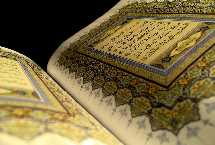
4. Read Qur’an.
5. Feed fasting people.
6. Be good to family and friends. Find it in your heart to forgive those who have hurt you and ask forgiveness from those you have hurt.

7. Avoid all bad acts. Committing sins may not break your fast, but they waste your efforts because your reward for fasting will be decreased.
[divider]
[button color=”blue” size=”medium” link=”http://www.deenteens.com/worksheets/3.3.1 Fasting Part 1.pdf” target=”blank”]Worksheet[/button]
