[one_half][box type=”success”]
In this Unit:
- There are 13 Arkan (fard acts) in prayer.
- The arkan must never be skipped or the prayer will not be valid.
[/box][/one_half]
[one_half_last][box type=”note”]
Keywords
- Rukn/Arkan
- Tuma’ninah
- Ruku
- Sajdah[/box][/one_half_last]
The Importance of the Arkan
[dropcap]A[/dropcap]rkan are the fard acts of any worship. Acts that are fard must never be skipped. If you skip a fard act, your prayer won’t be valid. Skipping a fard act will automatically disqualify your prayer. If you leave a fard by mistake or by forgetfulness, you must correct yourself. If you don’t correct yourself, your prayer won’t be valid.
We’ll learn how to correct mistakes or matters of forgetfulness in another lesson.
The 13 Arkan of Prayer
There are 13 fards in prayer (you can also say there are 17 if you count each tuma’ninah separately):
1. Standing
2. Niyyah
3. The opening takbir (Allahu akbar)
4. Reciting the Fatihah (bismillahir rahmanir rahim is its first ayah (verse))
5. Ruku’ and tuma’ninah in it (relaxing/resting)
6. Standing straight (after ruku) and tuma’ninah
7. Two sajdahs and tuma’ninah
8. Sitting between two sajdahs and tuma’ninah
9. The final tashahud
10. The final sitting
11. The final salah on the Prophet
12. The first assalamu alaikum (which ends the prayer)
13. Doing it all in order.
In this next section, you must put on your thinking cap because we will give details on each of the 13 arkan. Each day, as you pray, try to pay attention to doing each rukn of prayer correctly. Practice makes perfect!
The 13 Arkan Explained
[toggle title=”1. Standing” state=”open”][one_half]The prayer has to be performed while standing facing the qiblah with your chest. That means your chest should always be toward the qiblah. If a person is very sick, then he can pray sitting or lying down. May Allah keep us and our loved ones in excellent health![/one_half]
[one_half_last] [/one_half_last][/toggle]
[toggle title=”2 and 3. Say the niyyah in your heart while saying Allahu akbar with your tongue.” state=”close”][one_half]The niyyah should be said like this: I intend to pray fard/sunnah (say if it is fard or sunnah) (name which prayer you are praying: fajr, zuhur, asr, maghrib or isha) prayer. In Arabic you would say:
نَوَيتُ أن أُصَلِّي صَلاةَ الظُهرِ فَرضاَ عَلَيَّ[/one_half]
[one_half_last] [/one_half_last][/toggle]
[toggle title=”4. Reciting the Fatihah” state=”close”][one_half]Please recite the words of the Fatihah with your teacher so he or she can make sure that you do not make any mistakes. Remember that the first verse of al-Fatihah is:
بِسْمِ اللّهِ الرَّحْمـَنِ الرَّحِيمِ[/one_half]
[one_half_last] [/one_half_last][/toggle]
[toggle title=”5. Ruku and tuma’ninah” state=”close”][one_half]The minimum ruku’ is to bend down until your hands are at the level of your knees. But you can do better than that by bending your back until it is flat, as in the picture. You must have tuma’ninah whenever you go to a new position in prayer. Tuma’ninah means to be relaxed in that position.[/one_half]
[one_half_last] [/one_half_last][/toggle]
[toggle title=”6. Standing straight (I’tidal) and tuma’ninah” state=”close”][one_half]After ruku’, you must return to a completely straight standing position. Remember to relax in your standing position because you must have tuma’ninah in every new position in prayer.[/one_half]
[one_half_last] [/one_half_last][/toggle]
[toggle title=”7. Two sajdahs and tuma’ninah” state=”close”][one_half]When you make sajdah, 7 bones must touch the ground.
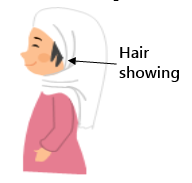
a. The forehead – your skin must touch the ground directly. Do not let your scarf or your hat get in the way.
b. Your two hands – your palms must be flat on the ground.
c. Your two knees.
d. The bottom part of the toes of your two feet.
Of course, do not forget tuma’ninah.[/one_half]
[one_half_last] [/one_half_last][/toggle]
[toggle title=”8. Sitting between the two sajdahs and tu’amnihah” state=”close”][one_half]When you rise from the first sajdah, you must sit straight down before you go down for the second sajdah. In each sajdah, you must have tuma’ninah. There are special ways to sit during the middle tashahud and the last tashahud. You aren’t required to sit like that, but it’s really good to do if you can. Ask your teacher how to do it. The important thing is to be sure you sit straight down and do not forget tuma’ninah.[/one_half]
[one_half_last] [/one_half_last][/toggle]
[toggle title=”9. The final tashahud” state=”close”]This comes at the very end of your prayer after the last rak’ah of the prayer. While you are sitting, recite the following correctly:
التَّحِيَّاتُ الْمُبَارَكَاتُ الصَّلَوَاتُ الطَّيِّبَاتُ لِلَّهِ السَّلَامُ عَلَيْكَ أَيُّهَا النَّبِيُّ وَرَحْمَةُ اللَّهِ وَبَرَكَاتُهُ السَّلَامُ عَلَيْنَا وَعَلَى عِبَادِ اللَّهِ الصَّالِحِينَ أَشْهَدُ أَنْ لَا إِلَهَ إِلَّا اللَّهُ وَأَشْهَدُ أَنَّ مُحَمَّدًا َرَسُولُ اللَّهِ[/toggle]
[toggle title=”10. The Final sitting” state=”close”][one_half]This is when you sit while reciting the tashahud at the very end of your prayer. You have to sit even if you can’t recite the tashahud. Can you think of a situation in which you can’t recite the tashahud but you still have to sit?[/one_half]
[one_half_last][/one_half_last][/toggle]
[toggle title=”11. The final salah on the Prophet” state=”close”]After you finish the final tashahud, you must say salah on the Prophet. This is said in the final sitting.
Say:
اللَّـهُمَّ صَلِّ عَلَى مُحَمَّد
[/toggle]
[toggle title=”12. The first taslim (saying assalamu alaikum)” state=”close”]The fard part is to say assalaamu alaikum. When you say these words, it ends your prayer. Only the first taslim is fard. The second one is not. This is said in the final sitting.[/toggle]
[toggle title=”13. Do it all in order” state=”close”]If you make mistakes and things get out of order, you have to correct the mistakes. We’ll see how to correct mistakes in another lesson.[/toggle]
[divider]
[button color=”blue” size=”medium” link=”http://www.deenteens.com/worksheets/3.2.7 Arkan of Prayer.pdf” target=”blank”]Worksheet[/button]
 [/one_half]
 [/one_half_last][/toggle]
 [/one_half_last][/toggle]


 [/toggle]
 [/toggle]
 [/toggle]
 [/toggle]
 [/toggle]
 [/toggle]
 [/toggle]
 [/toggle]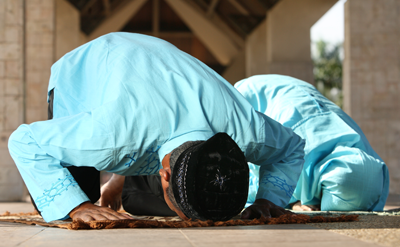


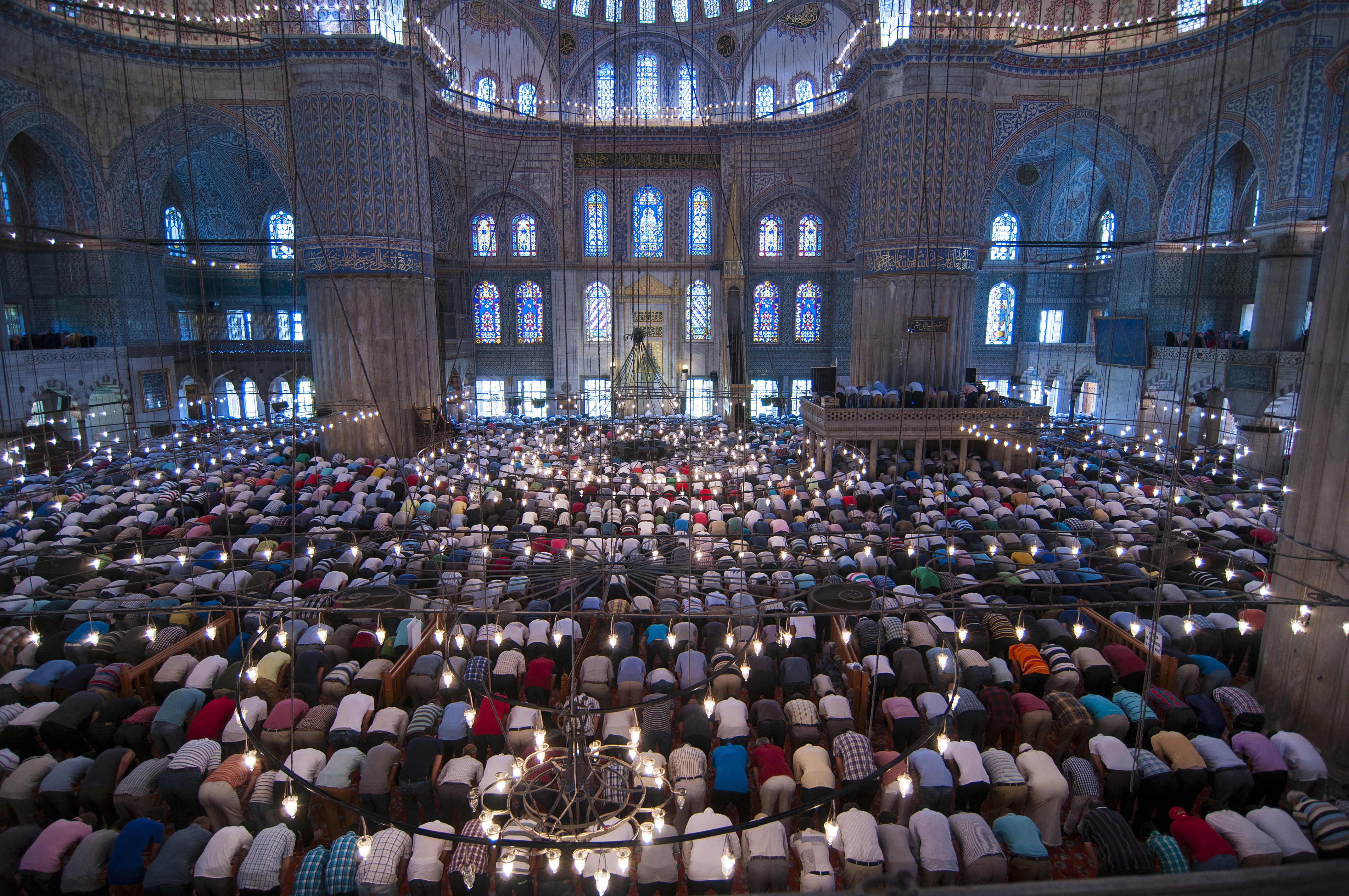
 [dropcap]T[/dropcap]he Prophet (peace be upon him) said, “The group prayer is better than the individual prayer by 27 degrees.”


 [dropcap]R[/dropcap]amadan is not just a month of fasting, but a month of mercy, forgiveness, family, friendship, and hope. Muslims hope that by the end of the month, they are much better people than they were at the beginning of the month, that Allah has forgiven all their sins, and that they have become the people of Paradise.